Tracking Deposit Threshold Effects on Free Spin Utilization Rates Among Frequent Blackjack Participants
Written by Mara Otto · Aug 26, 2026
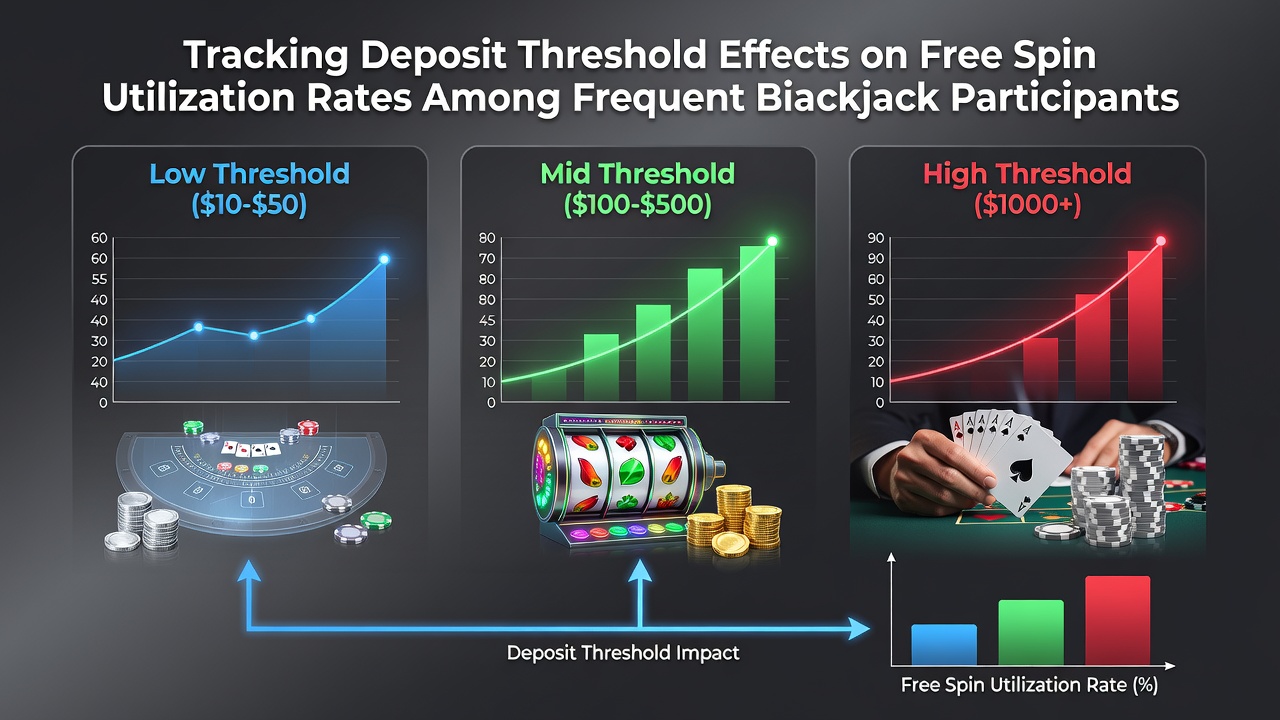
Tracking Deposit Threshold Effects on Free Spin Utilization Rates Among Frequent Blackjack Participants
Operators track how minimum deposit requirements shape the way frequent blackjack participants engage with promotional free spins, and recent figures reveal distinct patterns across multiple gaming jurisdictions. Data collected through loyalty program analytics show that higher deposit thresholds often correlate with reduced redemption rates even among players who visit tables several times per week, while lower thresholds produce steadier utilization across the same cohort. Researchers examining transaction logs from hybrid platforms note that these effects appear most pronounced when free spin offers tie directly to blackjack-specific reward tiers rather than general slot promotions.
Defining Deposit Thresholds in Blackjack Promotions
Deposit thresholds function as entry points that determine whether a player unlocks a batch of free spins or bonus credits, and frequent blackjack participants encounter these requirements in both online and land-based integrated programs. Studies conducted by regional gaming authorities indicate that thresholds set at $50 or above tend to filter participation, whereas those at $20 or below maintain broader engagement from the same group of regulars. Observers note that operators adjust these levels seasonally, and records from mid-2026 show several properties testing incremental changes to measure downstream effects on play volume.
Utilization Patterns Observed in August 2026
During August 2026, aggregated reports from multiple casino networks documented utilization rates dropping by approximately 18 percent when deposit minimums increased from $25 to $75 for players logging at least four blackjack sessions per month. The same datasets revealed that participants who cleared the lower threshold converted free spins into additional table time at a rate 1.7 times higher than those facing the elevated barrier. Analysts cross-referenced these numbers against session duration metrics and found that shorter, more frequent visits aligned with steadier free spin uptake, while longer sessions clustered around fewer but larger deposits.
Regional Data and Regulatory Context
Figures released by the Pennsylvania Gaming Control Board demonstrate comparable trends within that state's regulated market, where operators must report promotional redemption statistics on a quarterly basis. In parallel, the Casino Regulatory Authority of Singapore published summary statistics showing that deposit-linked free spin offers attached to blackjack tables produced utilization variances of up to 23 percent depending on the minimum amount required. These reports underscore how regulatory frameworks influence the granularity of data available for such tracking exercises.
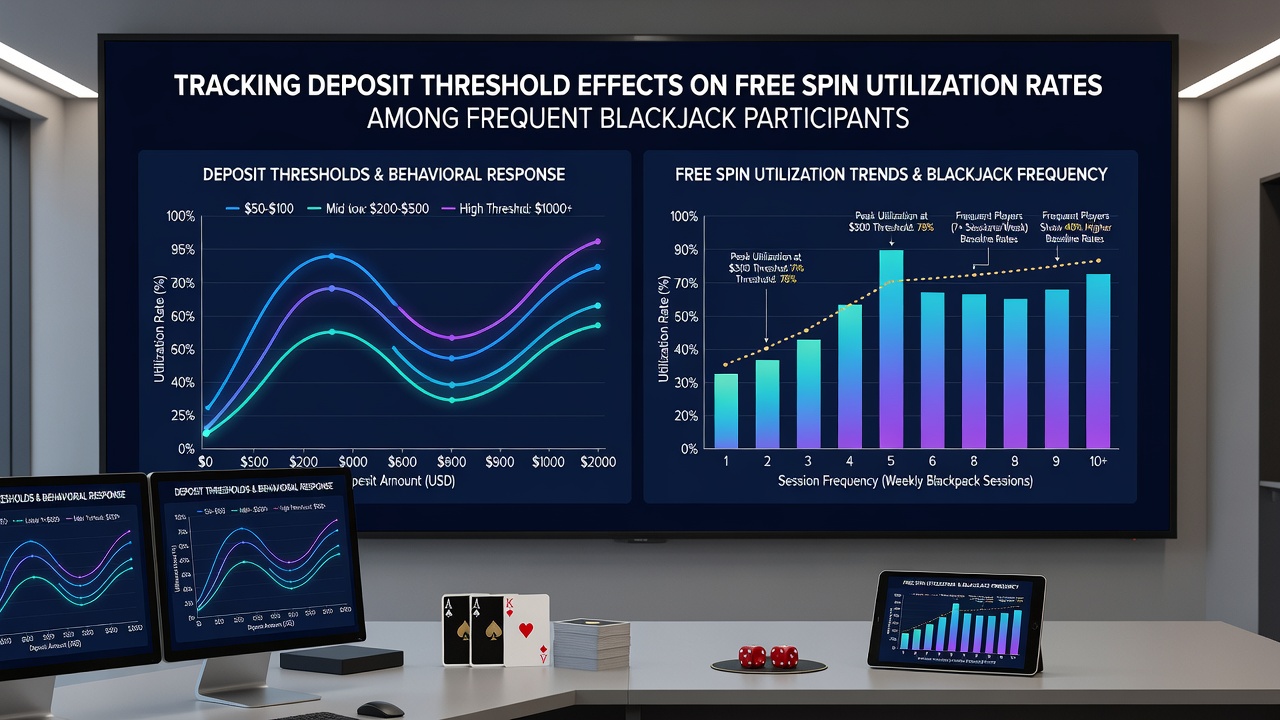
One study compiled by academic researchers at the University of Nevada, Las Vegas examined six months of de-identified player data and identified a clear inflection point around the $40 deposit mark, beyond which free spin claims declined sharply among teh high-frequency blackjack segment. The analysis also accounted for variables such as time of day and game variant, confirming that the deposit threshold remained the dominant predictor of utilization behavior.
Player Segmentation and Behavioral Indicators
Segmentation models separate frequent blackjack participants into subgroups based on average wager size, session count, and historical bonus engagement, and these models consistently show that players with mid-range bet profiles respond most sensitively to threshold adjustments. Lower-wager regulars maintain relatively stable utilization even when requirements rise modestly, whereas higher-wager regulars exhibit sharper drops once thresholds exceed a certain level. Data indicates that the timing of promotional communications also matters, with messages sent within 48 hours of a deposit deadline generating higher response rates across all segments.
Operational Adjustments by Gaming Properties
Properties have responded to these tracked effects by introducing tiered deposit structures that scale free spin quantities with deposit size rather than enforcing a single hard cutoff. Internal metrics shared through industry roundtables suggest this approach sustains utilization rates closer to baseline levels while still controlling overall promotional cost exposure. Several networks now incorporate real-time dashboards that flag when utilization among frequent blackjack players falls outside expected ranges, allowing prompt recalibration of upcoming offers.
Conclusion
Continued monitoring of deposit threshold impacts provides operators and regulators with actionable insights into how promotional mechanics influence player behavior in blackjack environments. As datasets grow more comprehensive through 2026 and beyond, patterns identified so far will likely inform refined strategies that balance player engagement with responsible expenditure management across both digital and physical gaming channels.