The Influence of Community Features on Individual Decision Processes in Multiplayer Betting Environments
Written by Mara Otto · Jul 24, 2026

The Influence of Community Features on Individual Decision Processes in Multiplayer Betting Environments
Multiplayer betting environments incorporate community features such as chat functions, leaderboards, shared statistics, and real-time notifications that shape how participants evaluate options and place wagers, and data from platform analytics indicate these elements create observable shifts in individual behavior patterns across sessions.
Core Community Mechanisms in Multiplayer Settings
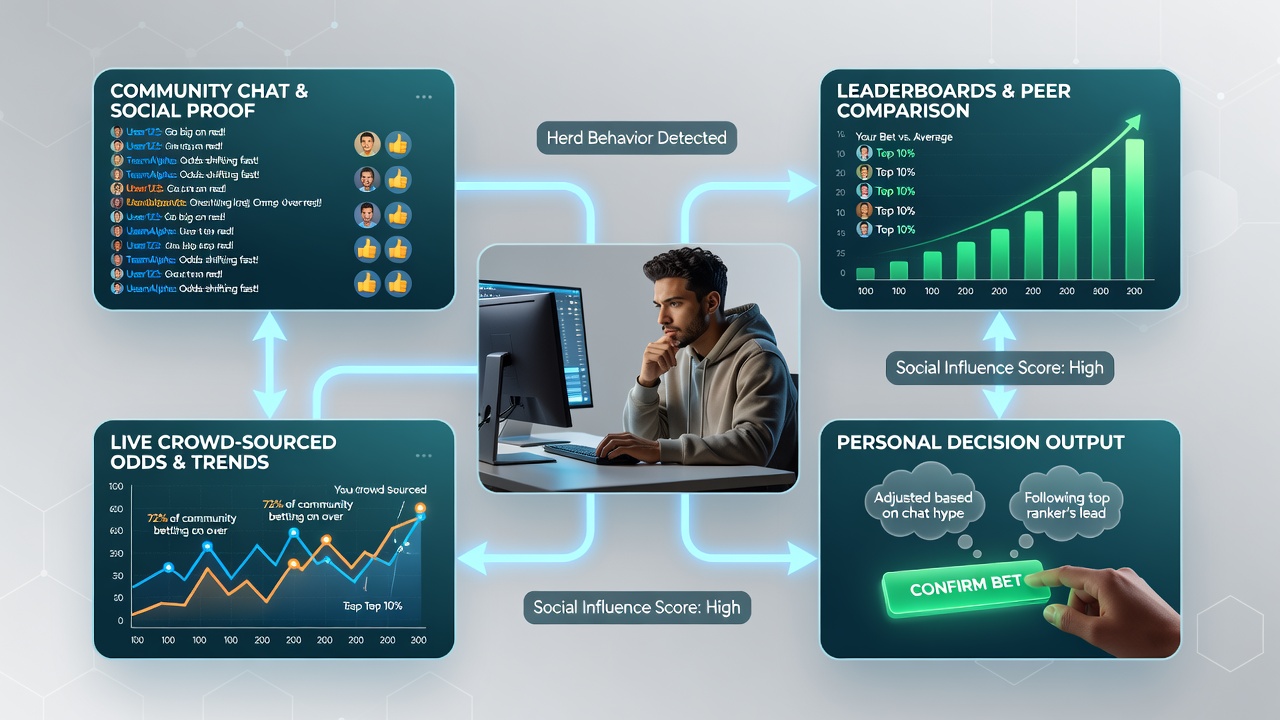
Platforms integrate visible player counts, aggregated bet histories, and discussion threads that allow users to monitor collective activity while making choices, and researchers have documented how these tools provide immediate feedback loops that influence timing and stake adjustments. Live leaderboards display top performers alongside win rates and session durations, which in turn prompt others to reference those metrics when deciding on similar bets, and studies from academic institutions show repeated exposure to such rankings correlates with changes in risk thresholds among frequent participants.
Chat systems enable direct exchanges about ongoing rounds or strategies, yet platform logs reveal that many interactions consist of brief status updates rather than extended advice, and this limited dialogue still contributes to a sense of shared context that affects subsequent individual selections. Notification systems alert users to large wins or unusual bet clusters from peers, which then appear in activity feeds that users review before committing funds, and data collected through server monitoring in 2025 demonstrated measurable increases in bet volume following such alerts.
Observed Effects on Decision Timing and Stake Levels
Analysis of session data indicates that individuals adjust their wager amounts more frequently when community metrics display rapid changes in peer activity, and this pattern holds across different game types where synchronized betting occurs. Those who review shared performance graphs tend to align their entry points with visible peaks in group participation, whereas isolated sessions without these displays show steadier but lower overall activity rates according to comparative platform reports.
Research conducted through university partnerships has tracked how exposure to community-voted outcomes influences subsequent choices, with participants showing higher rates of following majority trends during high-traffic periods. In July 2026, updates to several major networks introduced enhanced visibility for group consensus markers, and preliminary tracking data from those deployments recorded shifts in average decision latency among users who engaged with the new displays.
Regional Data Patterns and Platform Comparisons
Reports compiled by the Australian Institute of Family Studies highlight variations in how community tools affect users in different regulatory zones, with higher engagement levels noted in markets where real-time social overlays receive explicit approval. European regulatory summaries from the Malta Gaming Authority similarly record correlations between leaderboard prominence and alterations in individual betting sequences, particularly during peak evening hours when concurrent users increase.
Industry organizations such as the American Gaming Association have compiled cross-platform statistics showing that environments with integrated community voting on bonus rounds experience distinct clustering of stake sizes compared to those without such features, and these patterns persist even after controlling for game type and time of day. Observers note that participants in North American networks reference peer activity indicators at higher frequencies than counterparts in Asian markets where different social display formats predominate.
Longer-Term Behavioral Tracking
Longitudinal studies reveal that sustained interaction with community features leads to gradual recalibration of personal limits, as users incorporate visible group norms into their evaluation processes over multiple sessions. Platform operators have reported that retention metrics improve when community statistics remain consistent, suggesting that the availability of comparative data supports continued engagement without necessarily altering overall expenditure levels.
Further examination of transaction logs demonstrates that individuals who frequently consult chat summaries exhibit different response patterns to in-game events than those who minimize such interactions, and these differences appear consistent across age groups and experience levels according to aggregated findings.
Conclusion
Community features continue to integrate into multiplayer betting platforms through evolving display tools and notification systems that supply users with collective activity data, and evidence from multiple regulatory and academic sources confirms measurable associations with individual decision sequences. Ongoing monitoring by industry groups and research bodies tracks these dynamics as networks expand their social components, providing updated datasets that clarify how visible peer metrics interact with personal choice frameworks across global user bases.