Strategic Timing for Redeeming Loyalty Rewards in Multi-Game Digital Betting Portfolios
Written by Gisela Lange · Aug 12, 2026
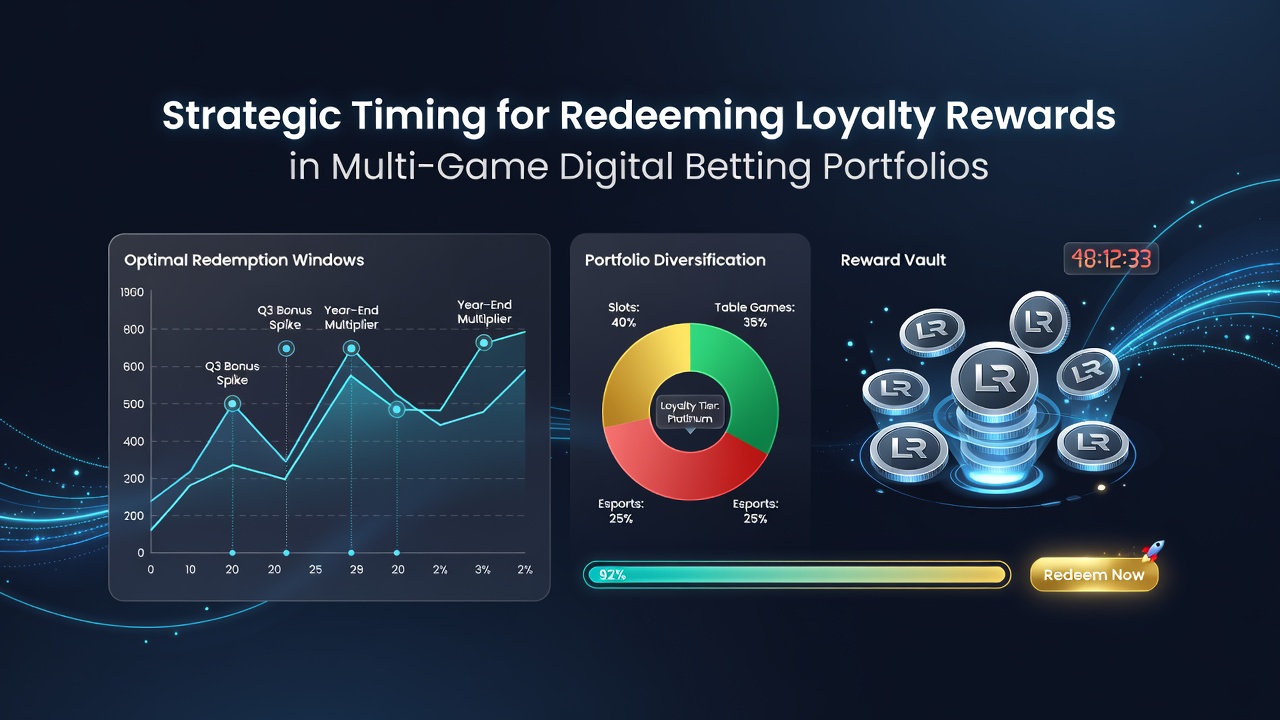
Strategic Timing for Redeeming Loyalty Rewards in Multi-Game Digital Betting Portfolios
Digital betting platforms maintain layered loyalty systems that span slots, table games, and live dealer environments, and participants often accumulate points across these categories within single accounts. Redemption windows for bonuses, free play credits, and tier upgrades shift based on platform algorithms that track overall portfolio activity rather than isolated game sessions, which means timing decisions influence the total value extracted from accumulated points.
Core Mechanics of Multi-Game Reward Structures
Operators calculate point values using weighted formulas that assign different multipliers to game types, with table games typically generating points at lower rates than slots yet carrying higher thresholds for certain redemptions. Data compiled by state regulatory bodies shows that users who spread activity across at least three game categories experience faster tier progression compared with single-game participants, and this acceleration directly affects when rewards become available for optimal conversion.
Seasonal adjustments appear in many programs during summer months, and records from August 2026 indicate several major platforms increased bonus multipliers for table game play to balance lower slot volumes during peak travel periods. Those adjustments created temporary windows where redeeming points for table game credits yielded higher effective returns than converting to slot free spins.
Factors Influencing Redemption Timing
Account holders monitor expiration cycles, which range from 30 to 180 days depending on tier status, while simultaneously tracking platform-wide promotions that reset on the first of each month. Research from the American Gaming Association indicates that redemptions clustered immediately before these resets often capture additional bonus layers that would otherwise expire unused.
Volatility profiles of individual games also matter because high-variance slots can deplete point balances quickly during losing streaks, whereas steadier table game play preserves balances for larger redemptions later. Observers note that users who maintain separate point pools for high-variance and low-variance segments within teh same portfolio achieve more consistent redemption outcomes across calendar quarters.
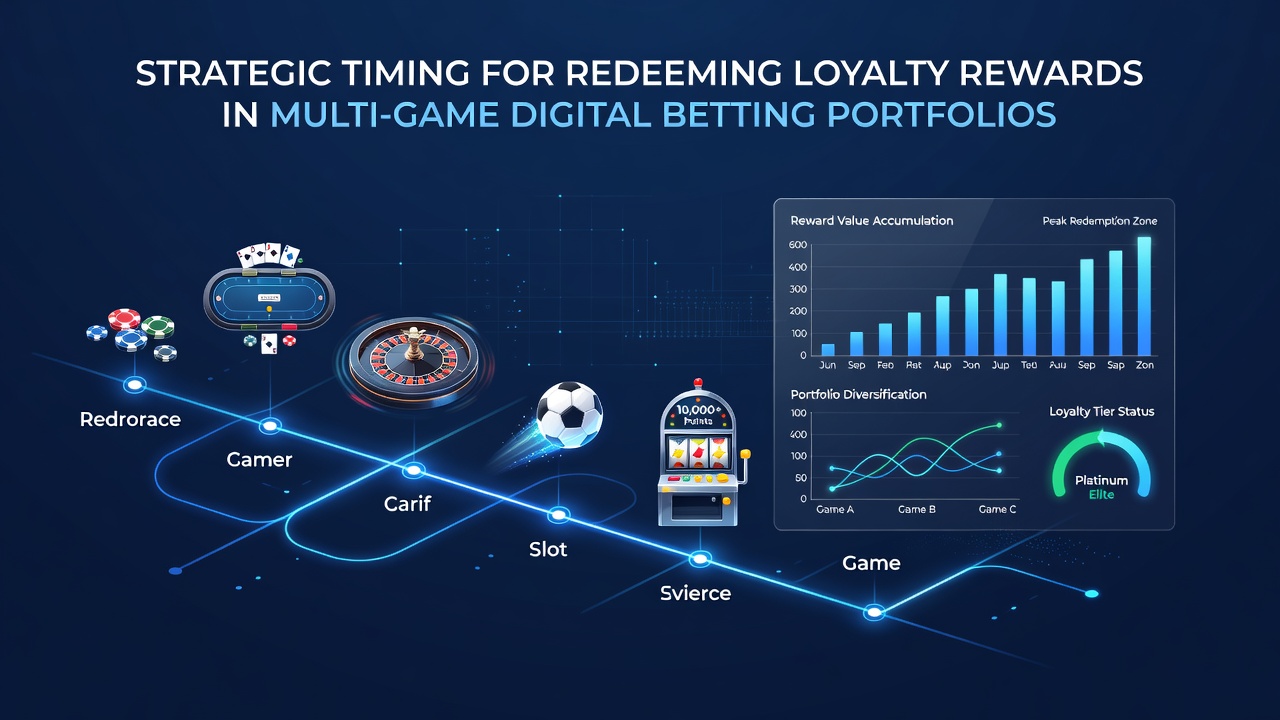
Portfolio-Level Coordination Strategies
Advanced participants track cumulative activity across mobile and desktop interfaces because some platforms apply cross-device bonuses only when total monthly play exceeds preset thresholds. Coordination involves aligning redemption requests with the completion of these thresholds, which data from Canadian provincial gaming reports shows can increase average reward value by measurable percentages when executed consistently.
Cross-promotional events between sports betting and casino sections create additional timing considerations, since points earned in one vertical sometimes convert at premium rates during limited windows in the other. Records indicate that August 2026 saw multiple operators run simultaneous events where sports-derived points unlocked enhanced table game redemptions, prompting users to shift activity patterns accordingly.
Platform Variations Across Regions
European operators frequently tie redemption values to regulatory reporting cycles that conclude at quarter ends, whereas North American platforms align more closely with monthly marketing calendars. Users managing portfolios across both regions therefore stagger redemptions to coincide with whichever system offers higher conversion rates at that moment, and industry analyses confirm this approach reduces value leakage from mismatched expiration dates.
Academic studies on player behavior further reveal that those who review weekly activity summaries before submitting redemption requests achieve higher utilization rates of tier benefits, since summaries highlight pending multipliers that would apply only to future redemptions rather than immediate ones.
Conclusion
Effective management of loyalty rewards across multi-game digital portfolios requires attention to platform-specific multipliers, seasonal promotion calendars, and cross-category activity thresholds. Data from regulatory and industry sources demonstrates that coordinated timing aligned with these elements produces measurable differences in realized value without altering underlying game outcomes. Participants who maintain systematic records of point generation and redemption windows continue to navigate these systems with greater consistency as platforms update their frameworks.