Shifting Reward Thresholds Across Multi-Tier Loyalty Layers in Synchronized Live Table Environments
Written by Gisela Lange · Aug 5, 2026
Shifting Reward Thresholds Across Multi-Tier Loyalty Layers in Synchronized Live Table Environments
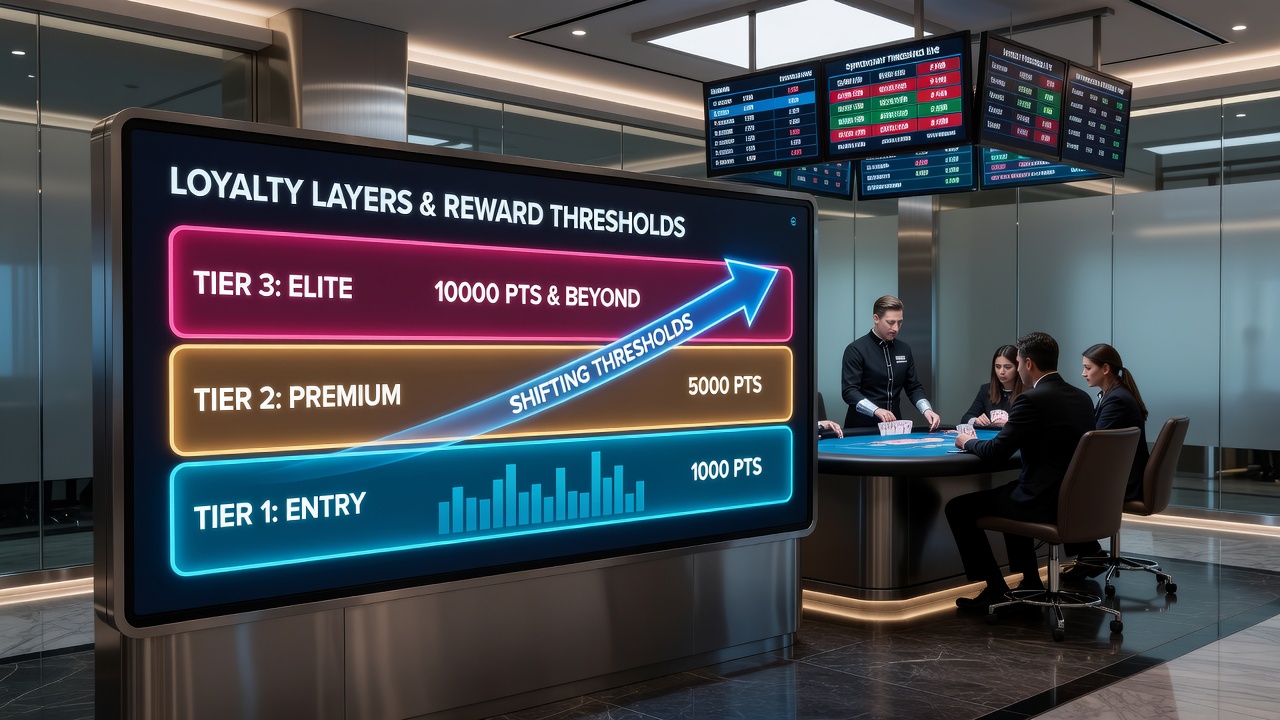
Operators managing synchronized live table environments have adjusted how they set reward thresholds across multiple loyalty tiers, and data from player tracking systems shows these changes often respond to aggregated activity across connected tables. Multi-tier structures typically include entry-level access, mid-tier benefits, and premium layers, with point requirements that shift based on overall participation rates rather than fixed calendars. Researchers tracking these systems note that synchronization allows real-time updates because live dealer sessions feed metrics into central databases simultaneously.
How Threshold Adjustments Operate in Practice
Thresholds move when cumulative play volume across synchronized tables reaches certain benchmarks, and this process draws from metrics such as average session length and wager distribution. One study of casino loyalty frameworks revealed that operators recalibrate silver-tier entry points every quarter when synchronized data indicates a 12 percent rise in table game activity, while gold-tier requirements adjust less frequently because premium players maintain steadier engagement patterns. Observers note that these recalibrations occur without disrupting active sessions since updates apply at the start of new dealer shifts.
Live table environments that operate across multiple sites benefit from the synchronization because point accumulation registers uniformly regardless of which connected table a player joins. Figures from industry reports indicate that this uniformity reduces disputes over delayed crediting and allows operators to apply tier shifts more consistently than in isolated setups. Those who monitor loyalty program performance point out that the approach also supports cross-property play where participants move between venues without losing progress toward the next layer.
Data Patterns Observed in 2026
During the first half of 2026, several major operators introduced dynamic threshold models that respond to monthly activity aggregates from synchronized live tables, and records show these models produced measurable changes in redemption rates for comps and free play credits. In August 2026, analysts tracking seasonal trends documented a noticeable uptick in mid-tier threshold increases coinciding with higher summer table game volumes across North American and Asian markets. The adjustments followed patterns where entry to the top loyalty layer required an additional 8,000 points compared with the prior year, yet retention among existing premium members remained stable according to aggregated operator disclosures.
According to statistics compiled by the American Gaming Association, loyalty program participation across table games grew by 7 percent year-over-year through mid-2026, with synchronized environments accounting for a disproportionate share of that growth. The data further shows that operators using real-time synchronization achieved faster point validation cycles, which in turn influenced how quickly players advanced or maintained their tier status when thresholds shifted.
Regional Variations in Implementation
North American properties have leaned toward quarterly reviews that incorporate synchronized live table data from both physical and remote dealer feeds, whereas certain Asian markets apply monthly recalibrations tied to VIP baccarat volumes. Australian regulatory filings reveal that operators there publish advance notice of threshold changes to maintain transparency, and this practice has coincided with steadier player progression through loyalty layers compared with regions that announce adjustments only after implementation. European operators, drawing from frameworks managed by bodies such as the Irish Gambling Regulatory Authority, tend to tie threshold movements to responsible gaming metrics, which adds another layer of oversight to the synchronization process.

Case examples from multi-site operators demonstrate that synchronized systems reduce the lag between data collection and threshold application, and this efficiency supports more granular tier management. One operator group reported that after integrating synchronized feeds from live roulette and blackjack tables, the time between activity spikes and threshold updates dropped from 45 days to under 20 days. Those monitoring these deployments note that the shorter cycle allows mid-tier players to respond to new requirements before the next reporting period closes.
Integration With Player Tracking Technology
Modern player tracking platforms collect data points from chip sensors, card readers, and dealer terminals across synchronized tables, then feed those inputs into algorithms that calculate tier eligibility. Research indicates that the algorithms weigh factors such as time spent at premium tables and average bet size when determining whether a threshold shift will affect a particular loyalty segment. The process remains automated in most cases, though compliance teams review proposed changes to ensure alignment with jurisdictional rules on loyalty program disclosures.
Operators have also begun testing predictive models that forecast how threshold adjustments will influence progression rates across tiers, and early results suggest these models improve accuracy when they incorporate at least six months of synchronized live table data. The models help identify segments likely to experience friction during a shift, allowing operators to prepare targeted communications that explain the new requirements without referencing individual accounts.
Conclusion
Shifting reward thresholds across multi-tier loyalty layers continues to evolve alongside advances in synchronized live table technology, and the patterns observed through mid-2026 indicate that operators will refine these mechanisms further as data integration improves. Regional differences in regulatory approaches and seasonal activity levels shape how frequently and aggressively thresholds move, yet the underlying reliance on synchronized metrics remains consistent across markets. Continued monitoring of these systems will provide clearer insight into how loyalty structures adapt to changing participation levels in live table environments.