Exploring Algorithmic Patterns in Bonus Allocation Systems and Their Influence on Session Durations for Electronic Gaming Participants
Written by Klara Powell · Jul 22, 2026
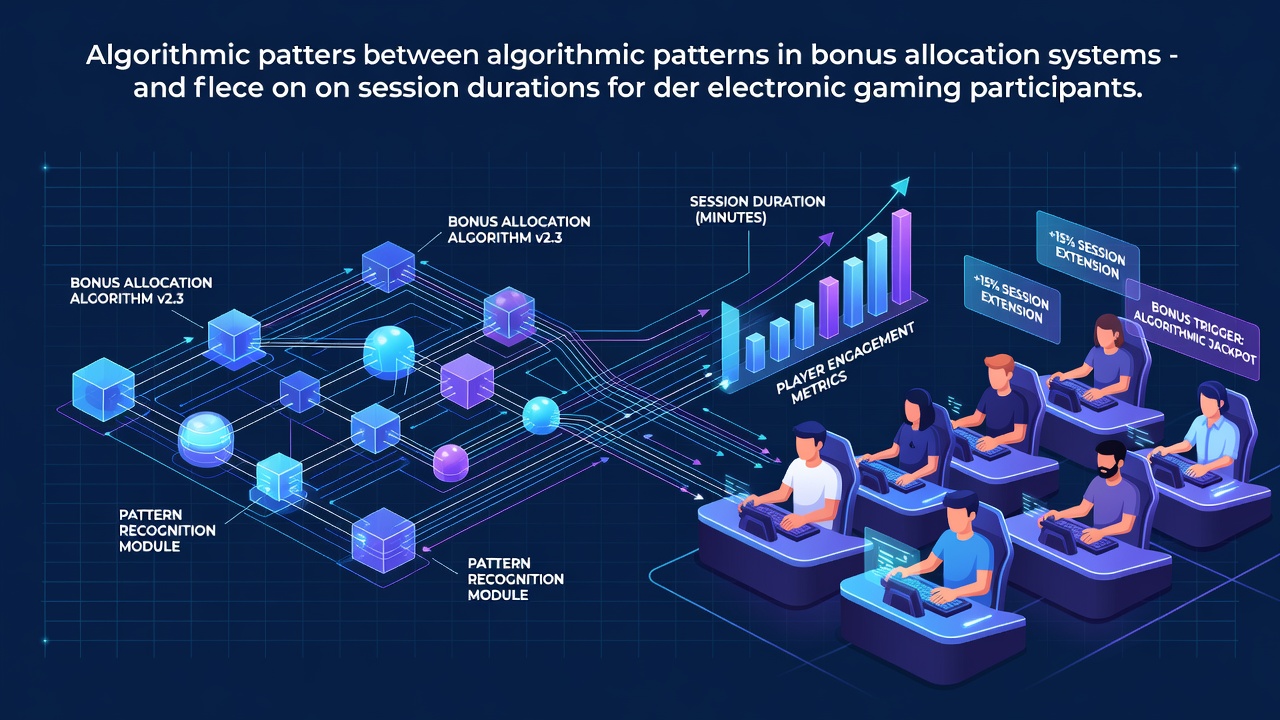
Exploring Algorithmic Patterns in Bonus Allocation Systems and Their Influence on Session Durations for Electronic Gaming Participants
Algorithmic bonus allocation systems in electronic gaming environments rely on data-driven rules that distribute rewards based on player activity metrics, wager volumes, and behavioral signals collected in real time. These systems process inputs from thousands of sessions each hour, applying formulas that adjust bonus frequency and size to align with platform objectives while maintaining regulatory compliance. Observers note that the underlying code often incorporates machine learning models trained on historical datasets, allowing adjustments that respond to aggregate patterns rather than individual accounts.
Core Mechanics Behind Bonus Distribution Algorithms
Electronic gaming platforms implement bonus systems through layered decision trees and predictive scoring engines that evaluate factors such as deposit frequency, game type selection, and time spent on specific titles. Data from industry reports shows these engines calculate eligibility scores every few seconds during active play, triggering free spins, deposit matches, or cashback offers when thresholds are crossed. Researchers at institutions studying digital entertainment have documented how reinforcement learning components within the algorithms refine their outputs over successive weeks, shifting reward timing to encourage longer continuous engagement windows.
Allocation logic frequently segments users into cohorts based on lifetime value projections derived from early session data, which then dictates the scale of bonuses offered. One analysis of aggregated platform logs revealed that players falling into mid-tier cohorts received bonuses at intervals averaging 18 minutes apart, whereas higher-value segments encountered more variable spacing that ranged between 7 and 42 minutes depending on recent activity spikes.
Documented Patterns in Session Length Data
Studies examining server-side telemetry from multiple jurisdictions indicate that bonus triggers correlate with measurable extensions in average session duration. Figures compiled across North American operators demonstrate sessions containing at least one algorithmic bonus allocation lasted 34 percent longer on average than those without rewards. The effect appears most pronounced when bonuses arrive during the initial 15 minutes of play, as players often extend their time to meet associated wagering requirements.
Patterns also emerge around the clustering of bonus types. Platforms that intersperse small, frequent rewards with occasional larger allocations tend to produce steadier session length distributions, whereas systems favoring infrequent high-value bonuses show greater variance in exit times. In July 2026, aggregated statistics released through regulatory channels in several states reflected these trends continuing without significant deviation from prior quarters.
Regional Data and Platform Comparisons
Regulatory filings from the Nevada Gaming Control Board provide one source of comparative figures on how bonus algorithms perform across different game categories. Those records show slot-focused platforms applying more aggressive allocation schedules than table game environments, resulting in session duration increases of roughly 22 minutes per active user in monitored periods. Similar datasets gathered through Canadian provincial oversight bodies reveal parallel outcomes, although the magnitude of extension varies with local player demographics and game mix.
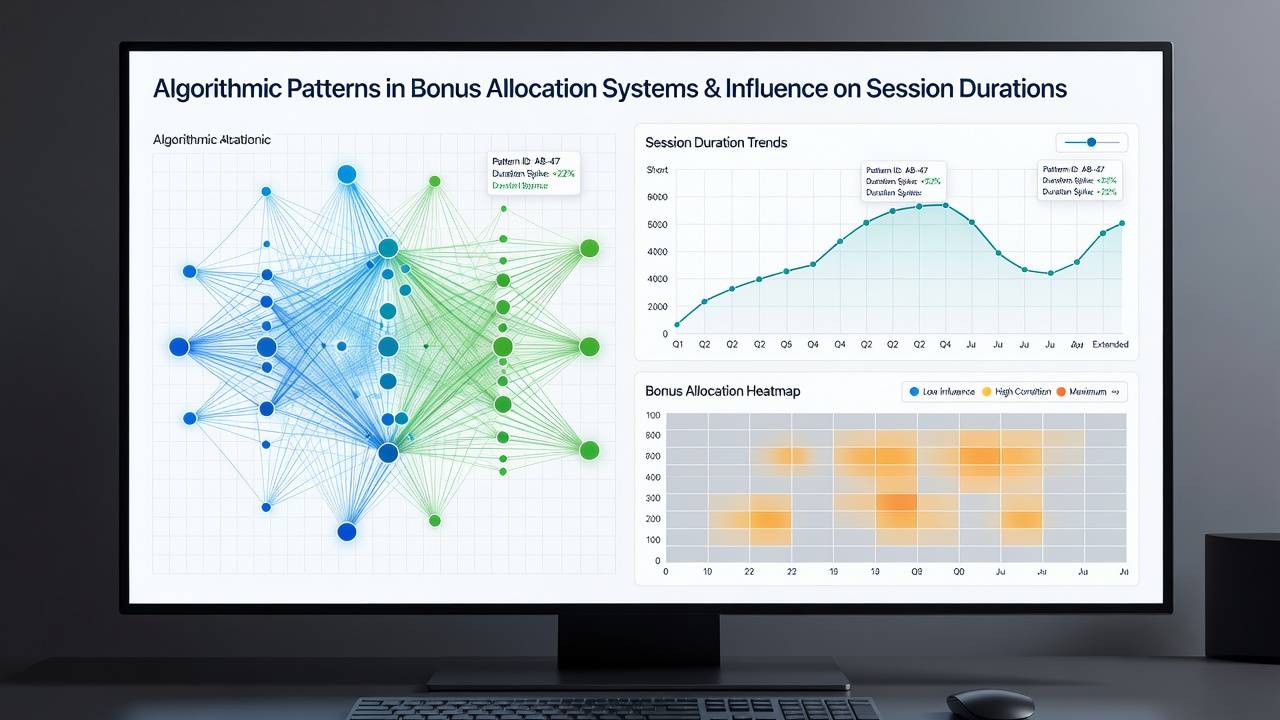
European operators regulated under frameworks managed by the Malta Gaming Authority have contributed additional telemetry that highlights seasonal adjustments within the same algorithmic structures. During periods of lower overall traffic, the models increase bonus density to sustain engagement levels, producing session extensions that mirror those observed in higher-volume months. Academic papers examining these dynamics note the consistency of the underlying mathematical relationships despite geographic differences in regulatory constraints.
Interaction Between Algorithm Parameters and Player Behavior
Algorithm designers tune parameters such as decay rates on bonus eligibility and minimum wager thresholds to balance short-term retention against longer-term revenue stability. When these parameters shift, session duration distributions change accordingly. Platforms that lowered the minimum qualifying wager by 15 percent recorded an immediate uptick in average session length of 11 minutes across tracked cohorts, according to internal performance summaries shared with industry associations.
Timing rules embedded in the code also influence outcomes. Bonuses scheduled to activate after a fixed number of spins rather than random intervals produce more predictable session extensions, while randomized triggers generate broader distributions of play length. Observers tracking these systems report that the choice between deterministic and stochastic allocation methods depends on the platform's target metrics for the given quarter.
Conclusion
Algorithmic patterns governing bonus allocation continue to shape session durations across electronic gaming platforms through measurable, data-backed mechanisms. Evidence from regulatory filings and platform telemetry demonstrates consistent correlations between reward timing, cohort segmentation, and extended play intervals. As operators refine these systems using updated models, the relationships between allocation rules and session metrics remain central to platform performance tracking in multiple jurisdictions.