Examining Interplay Between Session Duration Caps and Risk Threshold Protocols Across Multi-Platform Digital Table Networks
Written by Klara Powell · Jul 17, 2026
Examining Interplay Between Session Duration Caps and Risk Threshold Protocols Across Multi-Platform Digital Table Networks
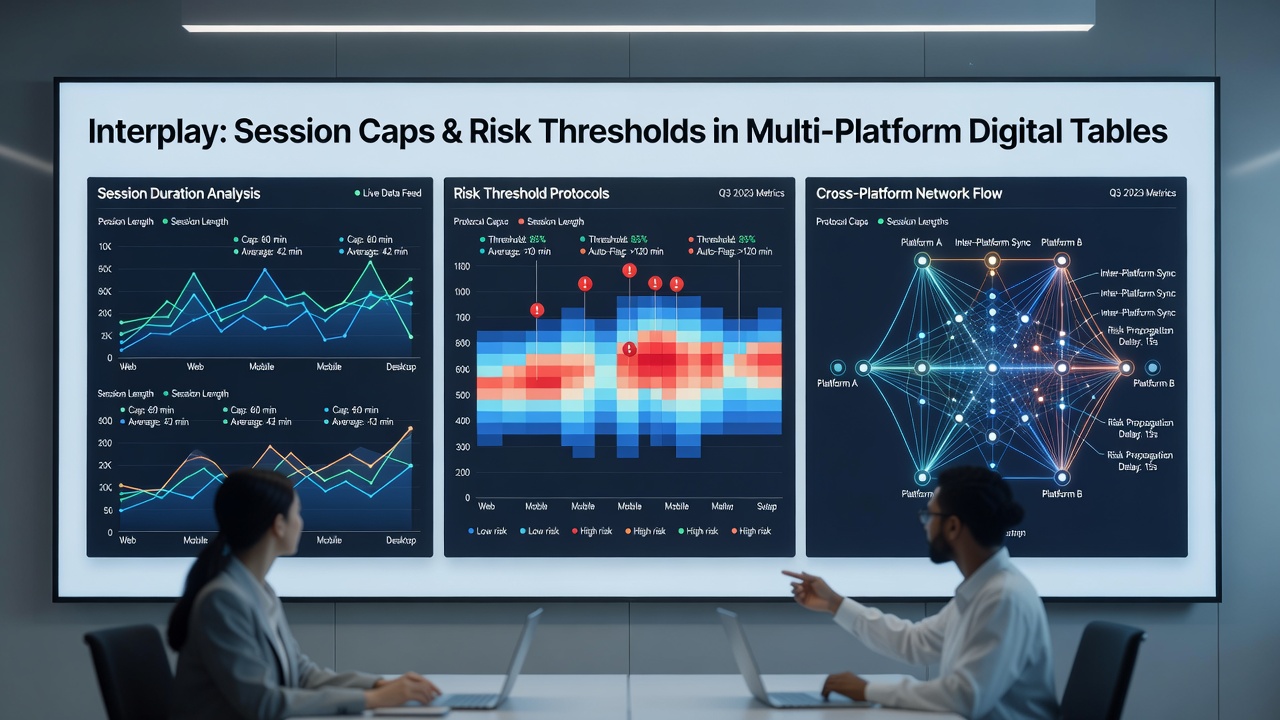
Digital table networks operate across multiple platforms where operators apply session duration caps alongside risk threshold protocols to manage player activity in real time, and these measures interact through shared data feeds that adjust limits based on cumulative exposure rather than isolated sessions. Researchers tracking system logs from 2025 into mid-2026 noted that platforms synchronize these controls when users migrate between desktop, mobile, and kiosk interfaces during the same calendar day.
Core Mechanics of Session Duration Caps
Session duration caps set fixed time boundaries for continuous play on any single table game instance, yet they reset or carry over depending on platform handoff rules that many networks enforce uniformly. Data from operator reports shows caps commonly range between 60 and 180 minutes before mandatory breaks trigger, while cross-platform tracking prevents immediate resumption on a different device without a cooldown interval. Those who manage backend systems report that July 2026 updates introduced stricter synchronization for multi-device logins to close gaps that previously allowed extended play through rapid platform switching.
Risk Threshold Protocols in Practice
Risk threshold protocols monitor loss amounts, bet velocity, and account balance drawdowns against predefined triggers that pause or restrict further wagering. These thresholds operate independently of time limits in many architectures, although integrated platforms link the two so that approaching a time cap can accelerate risk calculations when loss velocity rises. Figures from regulatory filings indicate European and North American networks adjusted threshold algorithms in early 2026 to incorporate real-time volatility data from live dealer feeds, resulting in more frequent interventions during high-traffic periods.
How the Two Systems Interact Across Platforms
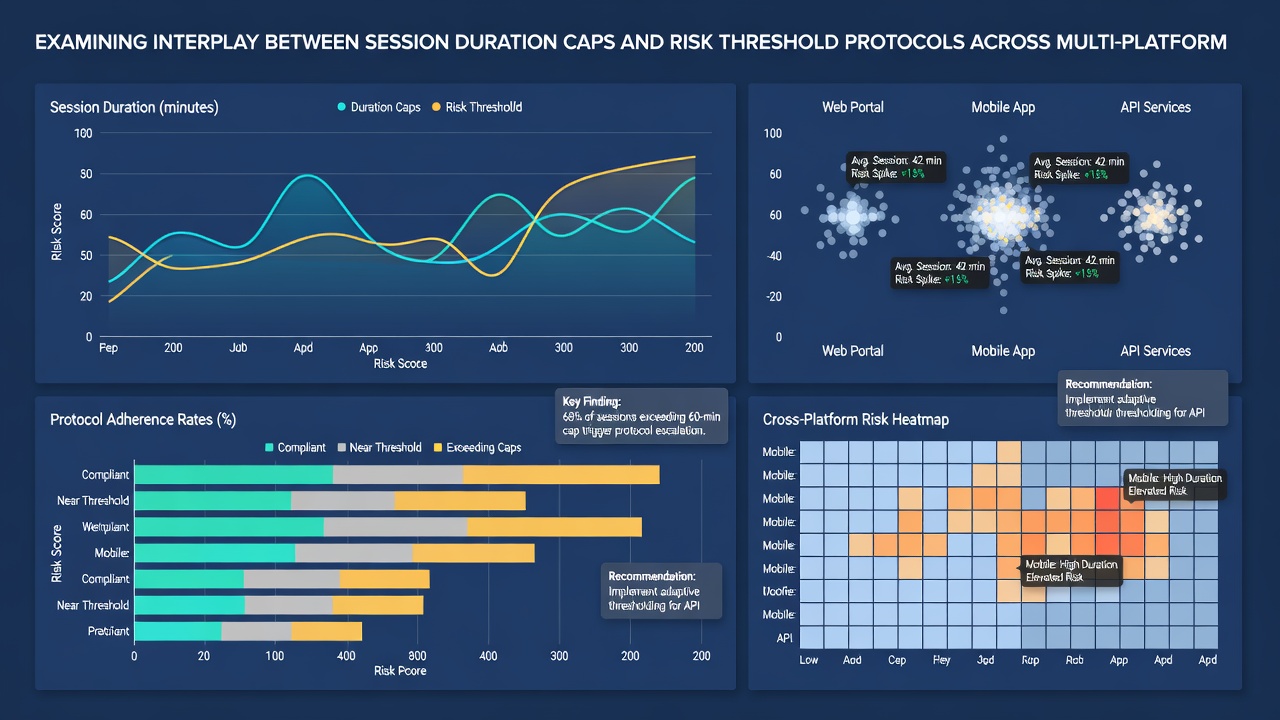
When session duration caps near expiration, risk threshold protocols often tighten automatically to reduce exposure during the final minutes of allowed play, and this linkage appears in audit trails from several major providers. Observers note that mobile-to-desktop transitions can reset certain counters while preserving cumulative loss data, which forces the risk layer to recalculate remaining headroom without granting extra time. One documented pattern from 2026 testing cycles revealed that simultaneous sessions on separate platforms trigger an aggregated cap that overrides individual device timers, preventing users from extending activity through parallel logins.
Network operators maintain central risk engines that receive updates from each platform every few seconds, allowing thresholds to respond to combined activity rather than segmented play. This architecture reduces instances where a player hits the daily loss limit on one interface while continuing on another, and it aligns with broader industry efforts to standardize responsible gaming tools.
Regional Implementation Patterns Observed in 2026
North American operators adopted unified session and risk frameworks earlier than many Asian markets, where platform fragmentation still exists in some jurisdictions. According to data released by the Nevada Gaming Control Board, multi-platform networks reported a measurable drop in extended sessions after implementing linked protocols during the first half of 2026. Australian regulators similarly documented changes in player behavior metrics following mandatory cross-device reporting requirements that took effect around the same period.
Integration challenges surface when legacy systems lack the API depth needed for seamless data exchange, forcing operators to layer additional middleware that can introduce minor latency in threshold enforcement. Those overseeing compliance confirm that July 2026 testing phases focused on reducing these delays to maintain consistent player experiences across all access points.
Technical Considerations for Network Operators
Developers building these controls must account for edge cases such as network interruptions that pause timers yet continue accumulating risk exposure in background logs. Protocols often include fallback mechanisms that lock accounts until reconciliation completes, and this approach appears in technical specifications shared among industry groups. Evidence from platform audits shows that accurate timestamp synchronization across global servers remains critical to avoid disputes over when a cap or threshold actually activated.
Future updates planned beyond 2026 aim to incorporate machine learning models that predict when combined session and risk factors may prompt early intervention, although current systems rely primarily on rule-based triggers. Industry organizations such as the National Council on Problem Gambling continue to publish guidance on aligning these technical features with broader player protection standards.
Conclusion
Multi-platform digital table networks demonstrate that session duration caps and risk threshold protocols function most effectively when their data streams merge into a single oversight layer, and 2026 implementations have refined this connection across several regulatory regions. Continued monitoring of these interactions will shape how operators balance operational continuity with exposure management in increasingly connected environments.