Decoding User Navigation Flows Through Layered Reward Systems in Interactive Betting Environments
Written by Mara Otto · May 31, 2026
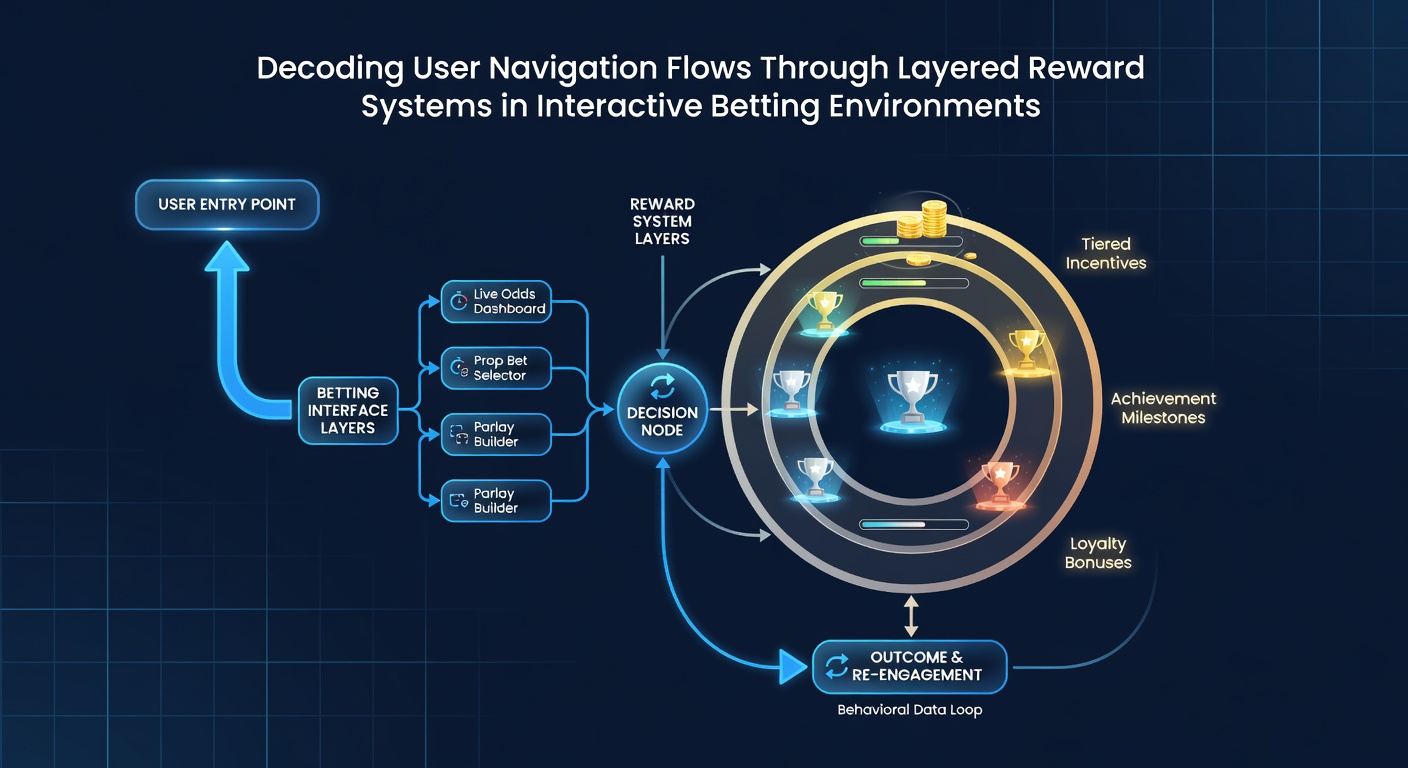
Decoding User Navigation Flows Through Layered Reward Systems in Interactive Betting Environments
Interactive betting platforms organize user movement through sequences of tasks and decisions that align with structured reward layers, and observers note how these systems shape progression from initial login screens to deeper engagement zones, while data from industry reports shows measurable shifts in session duration and feature access rates during early 2026.
Layered reward systems typically divide incentives into tiers that activate based on cumulative actions such as deposit frequency, wager volume, and completion of specific game types, and researchers at institutions tracking digital gambling behaviors have documented how these tiers prompt users to explore new sections of an interface rather than repeat familiar paths.
Core Components of Layered Reward Architectures
Platforms implement base layers that deliver immediate feedback through small bonuses for first-time deposits or tutorial completions, yet higher tiers unlock personalized dashboards and exclusive event access once users accumulate points across multiple sessions, and this progression model appears in data sets collected from major operators in North America and Asia-Pacific regions.
Navigation flows emerge when users respond to visual cues like progress bars and milestone notifications that direct attention toward underutilized game categories or promotional modules, according to analyses conducted by the European Gaming and Betting Association in their 2025 user behavior summaries.
Tracking Patterns in User Pathways
Analytics tools record click sequences and dwell times to identify bottlenecks where reward visibility drops, and one study released by the University of Nevada Reno's gaming research center revealed that participants who encountered clear tier advancement prompts completed an average of 23 percent more navigation steps toward secondary betting options within the same session length.
Seasonal adjustments in May 2026 introduced new streak-based rewards tied to consecutive daily logins, which correlated with increased traffic through live dealer sections and sports event calendars on several platforms, while regulatory filings from the Nevada Gaming Control Board noted corresponding rises in cross-category exploration metrics.
Integration of Behavioral Data and Interface Design
Design teams adjust menu hierarchies and notification timing after reviewing heat maps that highlight reward-triggered detours, and evidence from platform audits indicates that users who receive tier-upgrade alerts mid-session tend to branch into loyalty program subpages at higher rates than those navigating without such prompts.
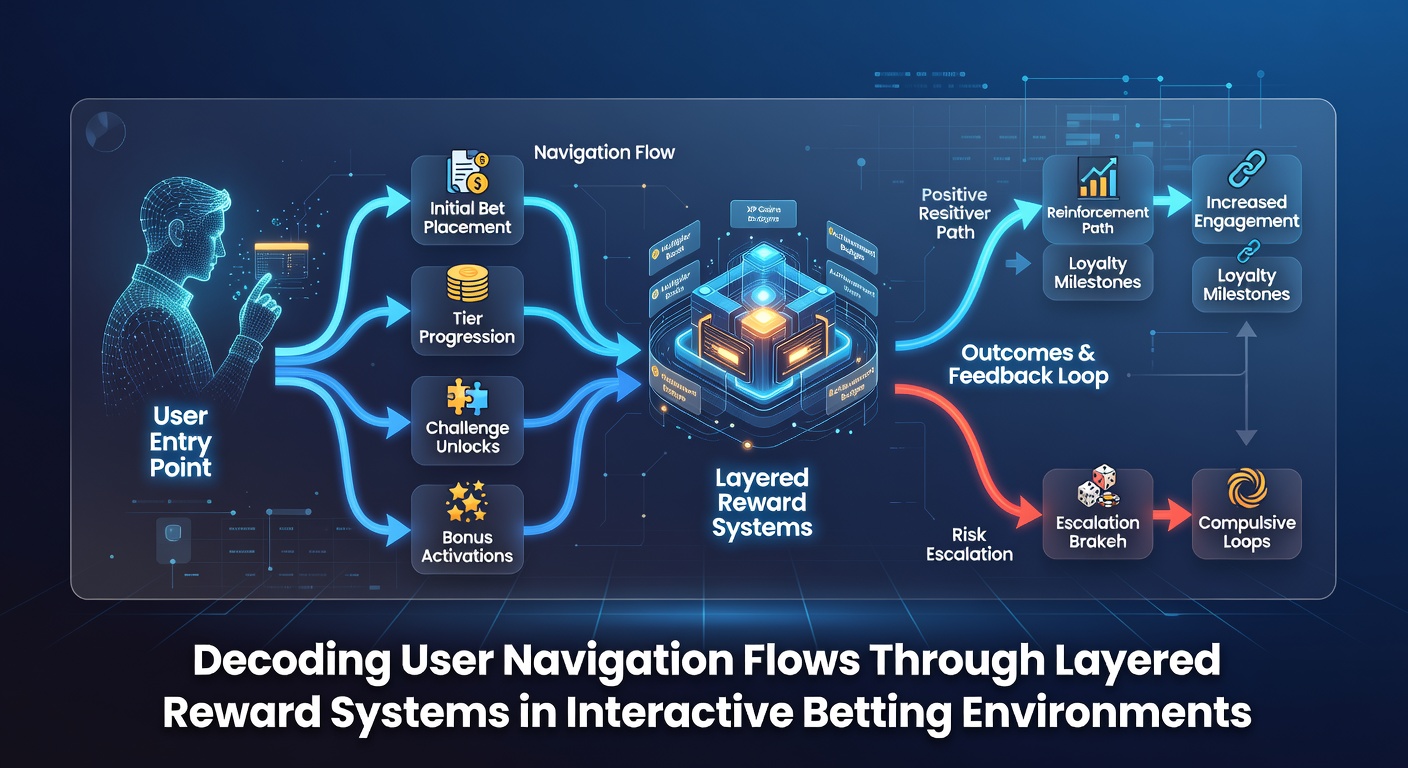
Real-time adjustments occur when algorithms detect stalled progress in lower tiers, prompting offers that redirect users toward high-engagement areas such as tournament lobbies or cashback claim centers, and these interventions show up consistently in aggregated logs from operators across multiple jurisdictions.
Regional Variations in Implementation
Operators in regulated markets apply different weighting to reward layers based on local compliance requirements, whereas platforms serving international audiences standardize core progression mechanics but localize notification language and visual styles to maintain flow consistency, and reports compiled by the Australian Communications and Media Authority detail how these adaptations affect average session paths in 2026 data sets.
Users in multi-device environments experience synchronized reward tracking that carries progress across desktop and mobile interfaces, which reduces friction during transitions and sustains navigation momentum toward deeper content areas according to internal metrics shared in industry conferences.
Conclusion
Layered reward systems continue to serve as primary drivers for mapping and influencing navigation flows within interactive betting environments, with ongoing data collection revealing how tier structures and notification timing shape user pathways across sessions and devices, and future refinements will likely build on these established patterns observed through 2026.