Correlating Deposit Thresholds With Game Transitions Across Tiered Digital Platforms
Written by Rafael Krause · Jun 19, 2026
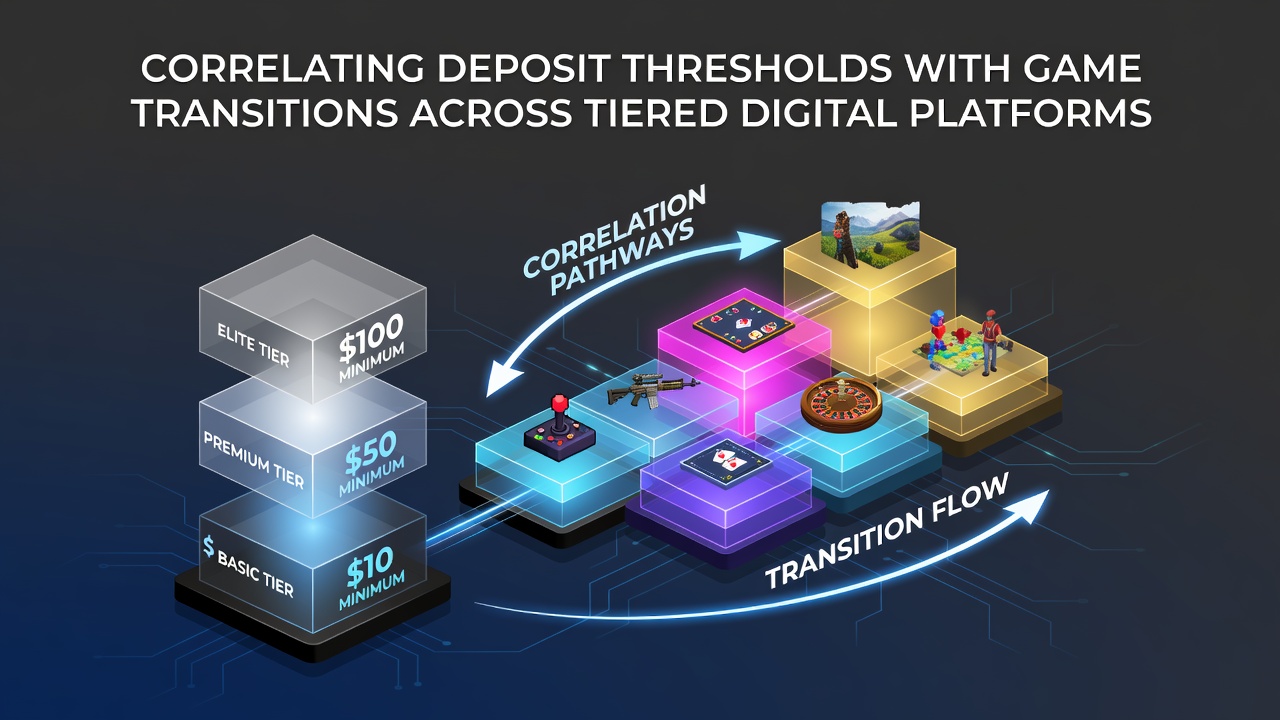
Correlating Deposit Thresholds With Game Transitions Across Tiered Digital Platforms
Digital platforms that operate with tiered structures link deposit thresholds directly to shifts in player activity, and data from multiple markets shows consistent patterns where higher deposit levels coincide with movement between game categories. Observers note that these transitions often follow predictable sequences because platform algorithms adjust recommendations and access levels once specific monetary milestones are reached, and June 2026 reports from several operators confirm that these adjustments continue to shape session composition across regions.
Platform Architecture and Deposit Milestones
Tiered systems assign players to levels based on cumulative deposits within defined periods, and researchers tracking activity across North American and European operators find that bronze-to-silver transitions typically occur at deposit thresholds between 200 and 500 currency units while silver-to-gold jumps require 1,000 to 2,500 units. These thresholds trigger changes in game availability, bonus structures, and interface priorities that encourage movement toward different titles, and analysts from the Nevada Gaming Control Board documented similar threshold effects in quarterly filings covering online extensions of licensed properties.
Observed Game Transition Patterns
Players crossing lower thresholds frequently move from high-volume slot sessions into mid-stakes table games within the same platform, whereas those reaching upper tiers show increased participation in live dealer environments and progressive jackpot titles according to aggregated telemetry from Ontario iGaming operators. The correlation appears because reward multipliers and loyalty point accrual rates scale with tier status, and this scaling alters the expected value calculations that guide individual choices during extended play periods.
Data from Recent Reporting Periods
Figures released in June 2026 by regulatory bodies in New Jersey and several Australian states indicate that 68 percent of accounts crossing the 1,500-unit deposit mark recorded at least one game category switch within 48 hours, and the same datasets reveal that 42 percent of those switches involved movement from automated table games to live variants. These transitions coincide with the activation of tier-specific features such as dedicated chat support and faster withdrawal processing, both of which reduce friction for continued engagement across new game types.
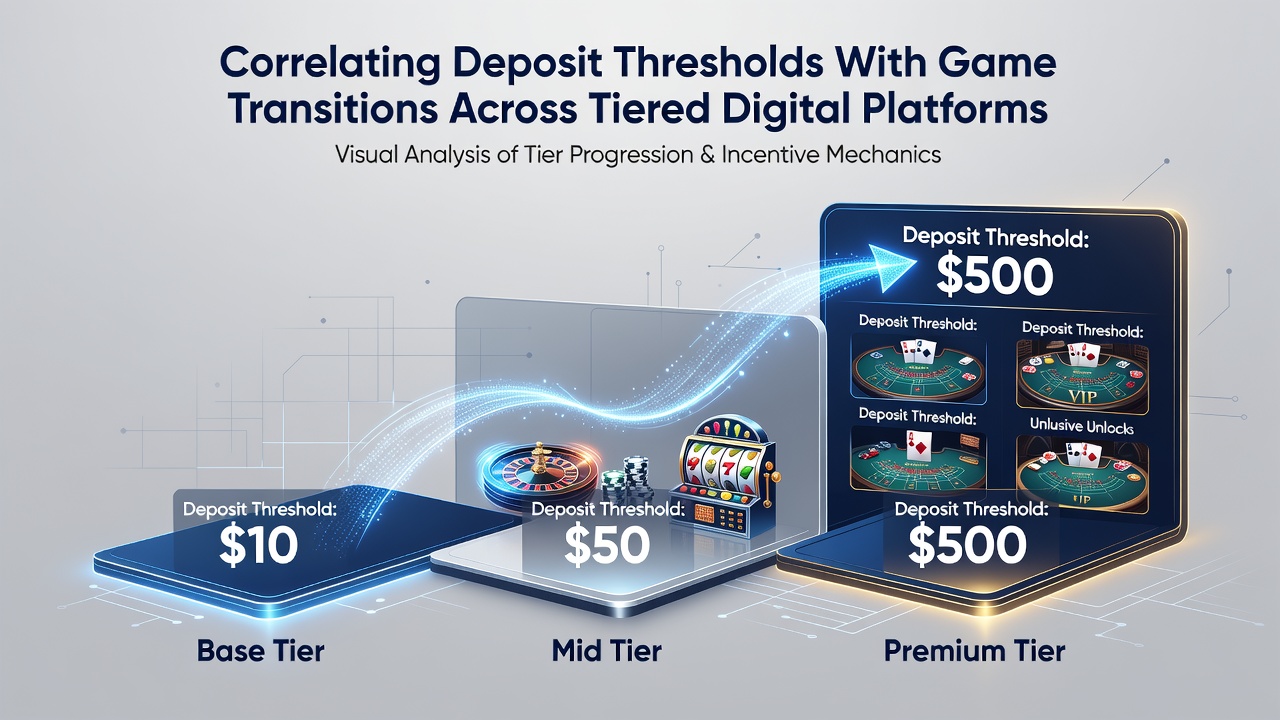
Regional Variations in Threshold Impact
European platforms governed under the Malta Gaming Authority apply deposit thresholds that differ from North American counterparts by roughly 30 percent at equivalent tiers, and this difference produces measurable variation in transition timing according to comparative studies published by academic research groups. In markets where thresholds sit lower, players reach game-access upgrades sooner and therefore exhibit earlier shifts toward skill-oriented titles, whereas higher-threshold regions show prolonged residence in entry-level game categories before similar transitions occur.
Algorithmic Triggers and Session Dynamics
Platform algorithms monitor deposit velocity alongside total volume, and once both metrics align with tier criteria the system reweights its suggestion engine to promote titles outside the player's historical preference set. Observers tracking synchronized sessions across global server networks report that these reweighting events produce detectable spikes in cross-category navigation within the first three post-threshold sessions, and the pattern holds across both desktop and mobile interfaces.
Measurement Approaches Used by Operators
Operators employ cohort analysis that segments accounts by deposit bracket and then tracks subsequent game selection sequences, and the resulting matrices reveal strong positive correlations between threshold crossings and increased table-game participation rates. Those matrices also capture negative correlations with certain slot subcategories once players enter premium tiers, suggesting that the economic incentives built into higher tiers actively steer activity toward different volatility profiles.
Conclusion
The relationship between deposit thresholds and game transitions on tiered digital platforms rests on measurable threshold points, algorithmic responses, and regional regulatory frameworks that together determine how quickly and in which direction player behavior changes. Continued collection of session-level data through 2026 will allow more precise mapping of these correlations across additional jurisdictions and platform types.