Coordinating Deposit Cycles with Loyalty Tier Unlocks During Multi-Session Poker Sequences
Written by Klara Powell · Aug 26, 2026
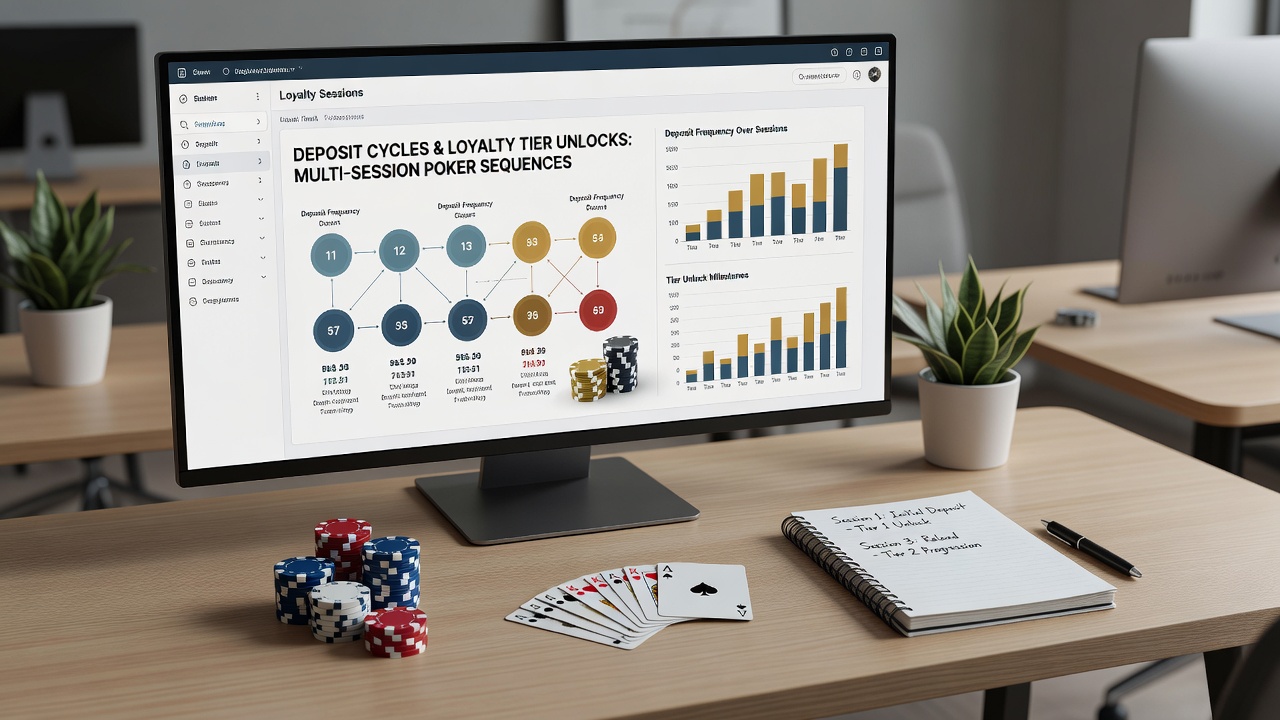
Coordinating Deposit Cycles with Loyalty Tier Unlocks During Multi-Session Poker Sequences
Digital poker platforms structure loyalty programs around tiered reward systems that unlock benefits based on accumulated play volume, and players often align deposit schedules with these progression points to maximize access during extended sequences spanning several sessions. Data from industry reports shows that many operators release tier thresholds at fixed intervals, which creates windows where fresh deposits can trigger immediate point multipliers or bonus unlocks before a new session begins. Research indicates that operators in regulated markets track player activity through session logs, and those logs influence how quickly loyalty points convert into tier status during consecutive play periods.
How Tier Progression Connects to Deposit Patterns
Operators define loyalty tiers through point accumulation formulas that factor in rake generated per hand, and these formulas frequently reset or advance at the start of each calendar month or promotional cycle. Players coordinate deposits so that funds arrive shortly before anticipated session starts, allowing the platform to apply new balances toward qualifying play that pushes them across tier boundaries. Figures from the American Gaming Association reveal that online poker traffic peaks during evening hours in multiple time zones, and operators adjust unlock mechanics to coincide with those patterns so participants reach higher tiers mid-sequence rather than after play concludes.
Multi-session sequences involve breaks between tables or platform switches, and during those intervals deposits can be timed to activate pending rewards that carry over into the next round. One study from the University of Nevada Reno gaming research division found that synchronized deposit and tier mechanics increase player retention metrics by measurable percentages when the timing aligns with existing play streaks. Platforms in New Jersey and Pennsylvania report similar patterns through monthly regulatory filings, where loyalty data shows clusters of activity around tier advancement dates.
Session Sequencing and Reward Synchronization
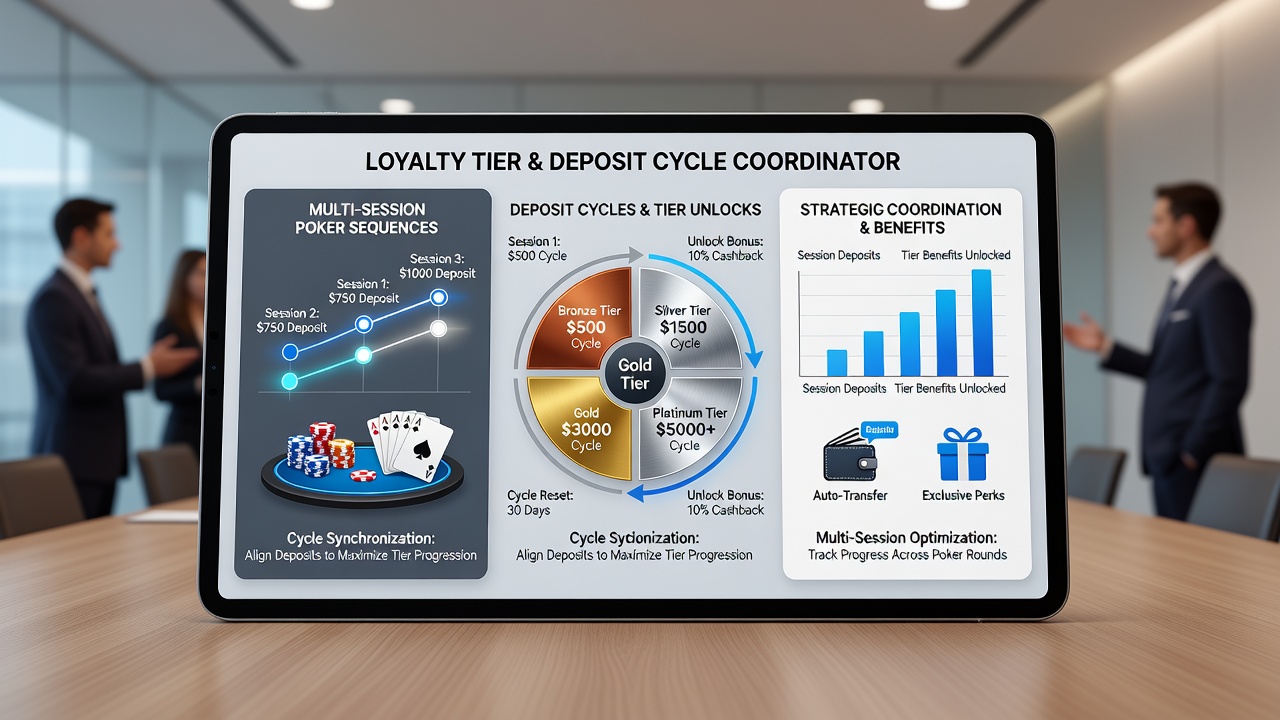
Extended poker sequences often span three or more sessions across different days, and players map deposit amounts to the exact point thresholds required for the next tier. This mapping relies on real-time account dashboards that display remaining points needed, which allows precise funding decisions before each new session starts. Evidence from platform analytics indicates that those who match deposit sizes to tier gaps experience smoother progression without overfunding accounts unnecessarily between sessions.
August 2026 brought updated reporting requirements in several US states that operate online poker, and those updates included more granular disclosure of loyalty program mechanics. Regulatory bodies in those jurisdictions now require operators to publish average time-to-tier data, which gives participants clearer benchmarks for planning deposit cycles across multi-session runs. Observers note that these disclosures have highlighted how certain platforms front-load point bonuses immediately after qualifying deposits, shortening the path to unlocks during ongoing sequences.
Platform Variations Across Markets
European operators licensed under the Malta Gaming Authority apply different tier structures compared with North American platforms, and those differences affect how deposits integrate with progression during extended play. Canadian provincial systems, such as those overseen by the Alcohol and Gaming Commission of Ontario, publish quarterly summaries that track loyalty redemption rates tied to deposit timing. Players who monitor these regional differences can adjust sequences accordingly when platforms allow cross-border access under approved frameworks.
Industry organizations track how often tier unlocks coincide with deposit events, and data shows seasonal spikes during summer months when session volumes increase. Those patterns hold steady into late summer periods, including August 2026, when promotional calendars often align new tier releases with major tournament schedules. Participants who review operator calendars in advance can position deposits to capture both standard tier benefits and any limited-time multipliers that activate during those windows.
Conclusion
Coordinating deposit cycles with loyalty tier mechanics requires attention to platform-specific thresholds, session schedules, and regional reporting standards that influence how quickly rewards become available. Data from multiple regulatory sources demonstrates consistent relationships between deposit timing and progression speed across multi-session poker activity. Operators continue to refine these systems based on aggregated player behavior metrics, which in turn shapes how sequences unfold in practice.