Aligning Protective Strategies with Game Flow in Remote Dealer Formats
Written by Mara Otto · Aug 2, 2026
Aligning Protective Strategies with Game Flow in Remote Dealer Formats
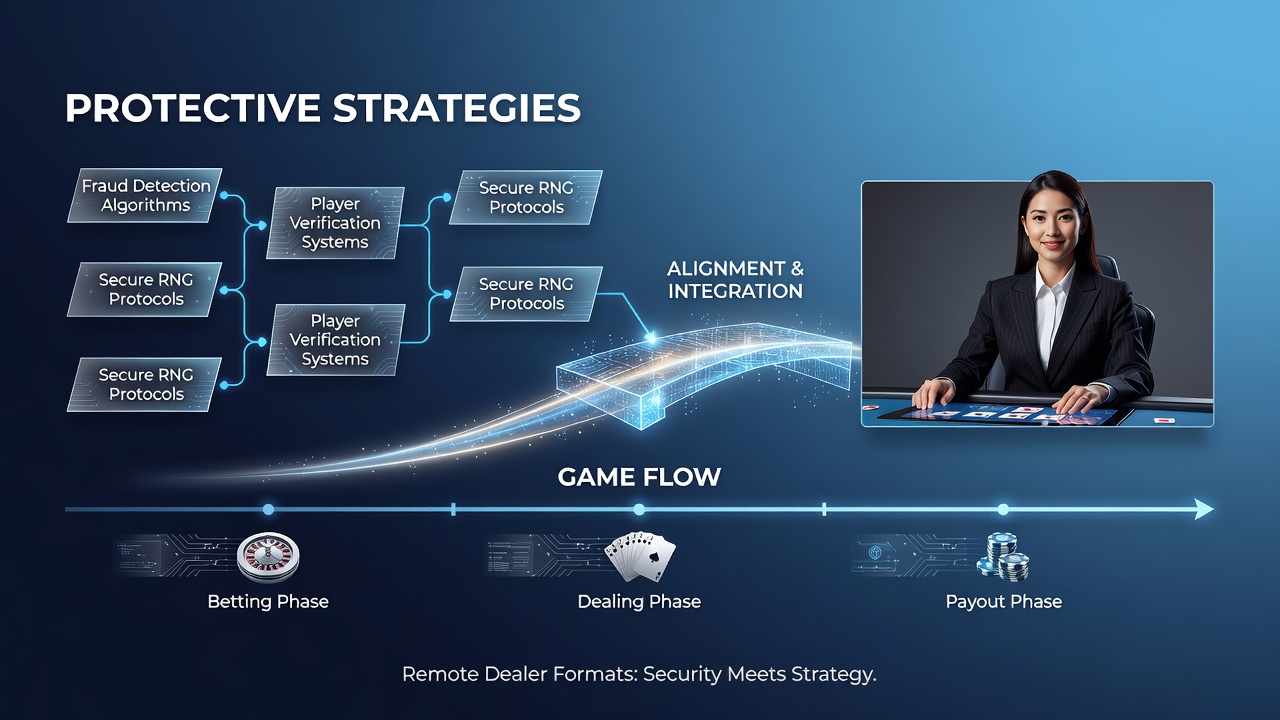
Remote dealer formats rely on live video streams that connect players to professional croupiers operating physical tables in controlled studios, and operators continue to refine how protective measures integrate with the natural rhythm of each game round. Data from industry monitoring shows that session tracking tools, deposit caps, and time alerts now activate at points that coincide with natural breaks such as the conclusion of a betting phase or the settlement of wagers rather than interrupting mid-round action.
Core Components of Remote Dealer Systems
Studios equipped for remote dealer operations maintain multiple camera angles, real-time card readers, and audio channels that feed directly into player interfaces across global networks, while backend systems record every transaction and decision timestamp. Research conducted by university gaming laboratories indicates these synchronized data streams allow protective algorithms to monitor velocity of play without adding latency to the visible game sequence.
Timing Protective Interventions
Protective strategies achieve better adherence when they align with established game cadences, such as the interval between roulette spins or the card shuffle sequences in blackjack. Figures released by the Nevada Gaming Control Board in early 2026 documented a measurable reduction in player opt-out rates after platforms shifted limit notifications to post-round windows. Observers note that this placement preserves immersion because players receive prompts only after the dealer has completed the payout or collection phase.
Canadian regulatory filings from the Alcohol and Gaming Commission of Ontario further illustrate that voluntary session-limit reminders triggered at dealer-initiated pauses correlate with higher compliance figures compared to random interruptions. Those who have analyzed server logs across multiple operators report that such timing reduces the frequency of mid-hand disconnections that previously led to disputed outcomes.
Technical Synchronization Methods
Platform architects embed protective modules within the same application layer that manages video buffering and bet confirmation, which allows the system to detect when a round enters a low-activity state. Studies published by the European Gaming Institute show that API calls for limit checks execute during these micro-windows, completing in under 200 milliseconds and therefore remaining invisible to the end user. This approach avoids the processing spikes that once occurred when protective checks ran concurrently with active betting.
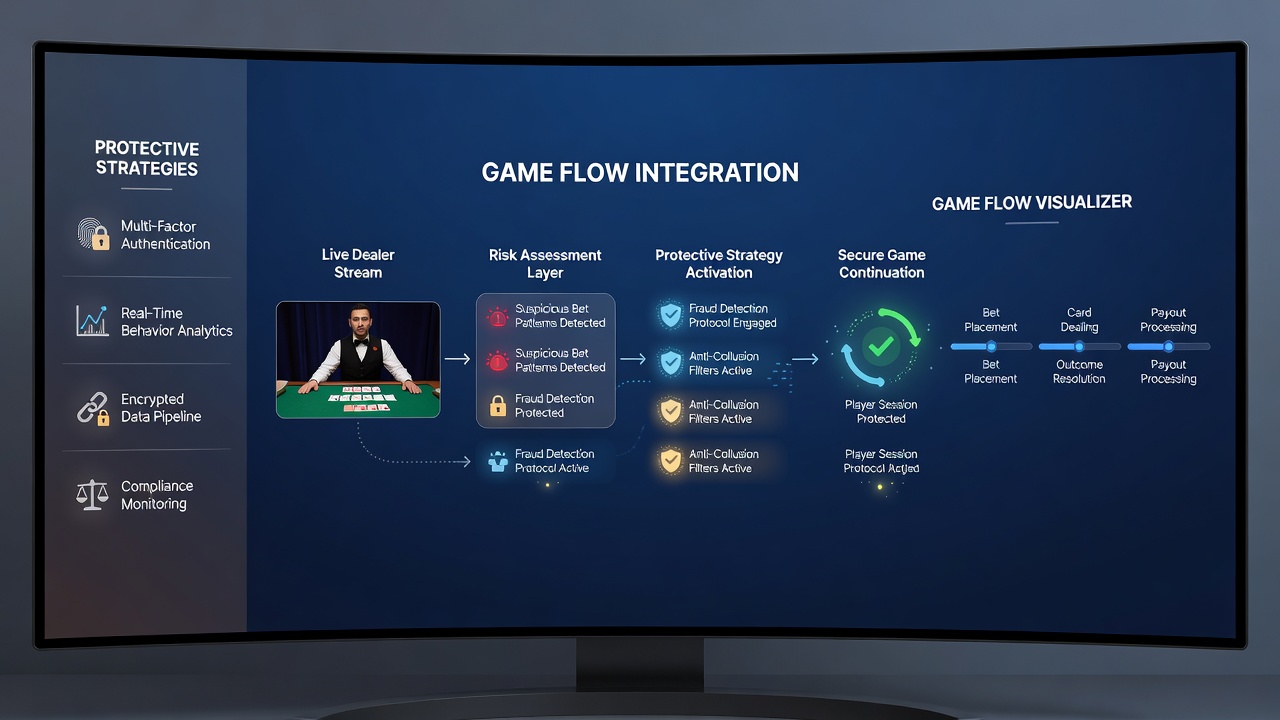
August 2026 testing cycles conducted by several European operators revealed that overlay messages displayed only after the dealer verbally announces “no more bets” produce faster player acknowledgment rates. The same tests indicated that alerts appearing during active card reveals increased instances of players missing subsequent decisions, prompting developers to refine trigger logic accordingly.
Regional Regulatory Approaches
Jurisdictions continue to update technical standards that require protective tools to respect the sequential nature of remote dealer games. Australian research compiled by the Centre for Gambling Research at ANU highlights protocols that tie self-exclusion flags to the end of each shoe in baccarat or the conclusion of a wheel spin cycle. These methods satisfy compliance requirements while limiting disruption to established game flow patterns documented in operator telemetry.
Industry associations such as the World Lottery Association have published guidelines recommending that any mandatory cooling-off periods activate only after the dealer completes reconciliation of the current round. Data aggregated across multiple platforms demonstrates that this sequencing maintains consistent round completion rates even when protective measures engage.
Impact on Player Retention Metrics
Analytics teams tracking retention observe that platforms employing cadence-aligned protections record steadier session lengths compared with earlier implementations that used fixed timers. Reports from the New Jersey Division of Gaming Enforcement indicate that the average number of completed hands per player session rose after the introduction of post-round messaging, while the total count of early exits declined. These shifts appear in aggregated datasets covering both desktop and mobile access points.
One documented case involved a multi-studio operator that reconfigured its alert engine to reference dealer status flags already present in the broadcast feed. Subsequent internal audits showed a 12 percent drop in abandoned tables during peak evening hours, a change attributed to the removal of timing conflicts between protective prompts and active play sequences.
Conclusion
Remote dealer formats continue to evolve through tighter integration of protective features with the inherent structure of each game round. Evidence from regulatory reports and technical studies demonstrates that timing interventions to coincide with natural pauses preserves both compliance objectives and operational continuity across distributed player bases. As platforms refine these alignments, data collection efforts focus on round-level timestamps to support further calibration of protective thresholds.